
Curtain wall and window wall are not interchangeable labels. They involve different structural logic, installation sequencing, facade expression and coordination requirements.
Developers and design teams often compare these systems late in the project, when budgets are under pressure and facade drawings are already moving toward approval. A clearer decision framework earlier in the process helps avoid costly redesign.
Understand the Basic System Difference
Curtain wall generally behaves as a continuous facade assembly that is coordinated across slabs and structural lines, while window wall typically relates more directly to floor-by-floor opening modules. That difference affects detailing, manufacturing and installation planning.
The right answer often depends on project height, facade rhythm, structural layout and the visual ambition of the building envelope.
- Review slab edge conditions and facade segmentation first.
- Confirm whether the facade concept requires a continuous exterior expression.
- Identify where mixed systems may be more efficient than one system everywhere.
Compare Installation and Site Coordination
Installation strategy changes labor sequencing, crane planning and site logistics. Curtain wall packages usually involve more dedicated facade coordination, while window wall may align more easily with repetitive floor construction on some project types.
That does not automatically make one option easier. The best choice depends on the construction method and the subcontractor ecosystem available for the region.
- Check facade access, hoisting method and floor-by-floor installation strategy.
- Coordinate tolerances between concrete, steel and facade package drawings.
- Ask how sequencing affects site protection and handover pacing.
Look Beyond First Price
Teams often compare facade systems only by initial budget. A more useful review includes engineering time, testing requirements, visual consistency, replacement access and long-term service conditions.
This broader comparison is especially important on hotels, commercial towers and mixed-use developments where lifecycle value matters as much as procurement cost.
- Include testing, mock-up and engineering deliverables in the comparison scope.
- Review facade replacement access and maintenance exposure early.
- Align value engineering decisions with the architect before tender closes.
Use System Zoning Where It Makes Sense
Many successful projects do not rely on a single facade logic everywhere. Podium retail, tower residential floors, feature corners and entrance zones may justify different envelope strategies.
A zoning approach lets the project protect performance and appearance where it matters most without forcing the same detail across every elevation.
- Test whether podium, tower and feature elevations should be separated into different packages.
- Coordinate system transitions carefully at corners, spandrels and entrance zones.
- Keep the visual language consistent even when the systems change behind the finish line.
Recommended Next Step
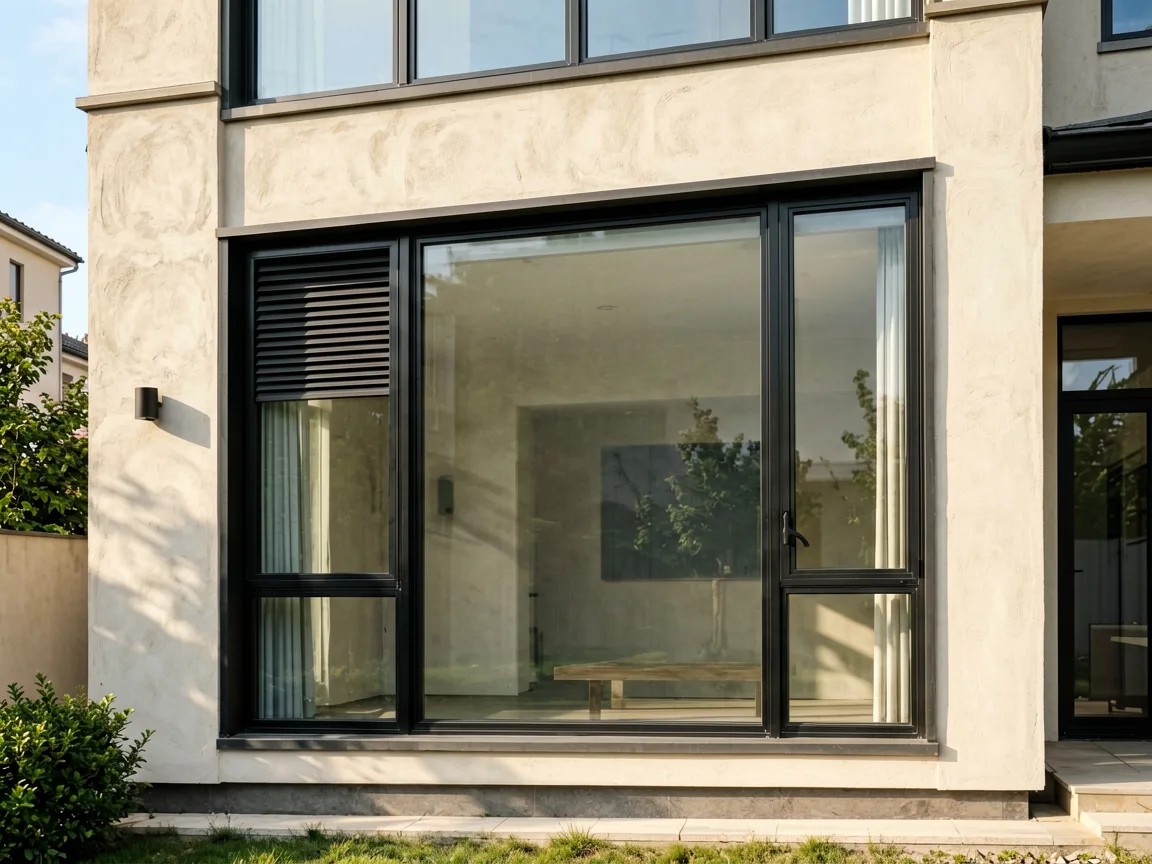
If your project includes large glazed elevations, podium storefronts or tower facades, prepare facade zones, floor edges and structural constraints before requesting a price comparison.
Frequently Asked Questions
Is curtain wall always the premium option?
Not automatically. It depends on project goals, detailing, facade scale and coordination requirements.
Can one project use both systems?
Yes. Many projects zone facade systems by elevation, function or budget priority.
When should facade system comparison happen?
Ideally before tender finalization, while design and structural coordination are still flexible.