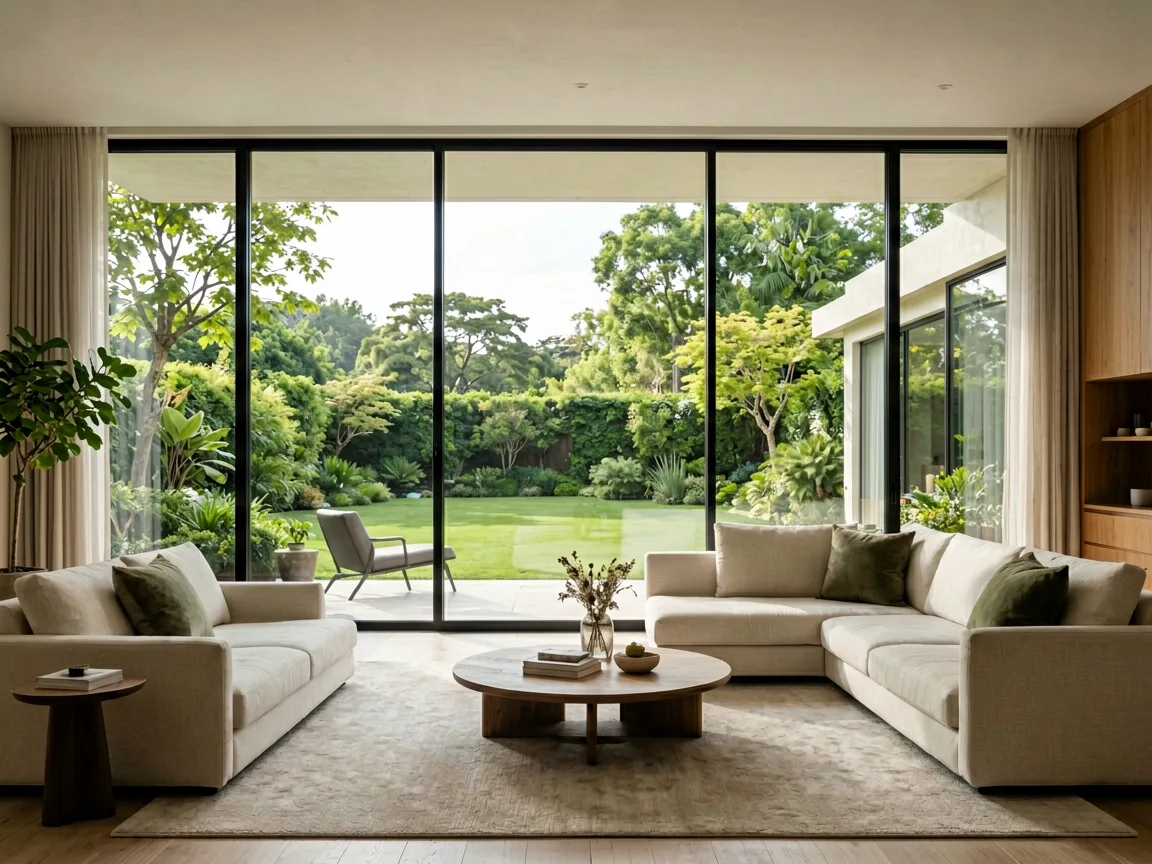
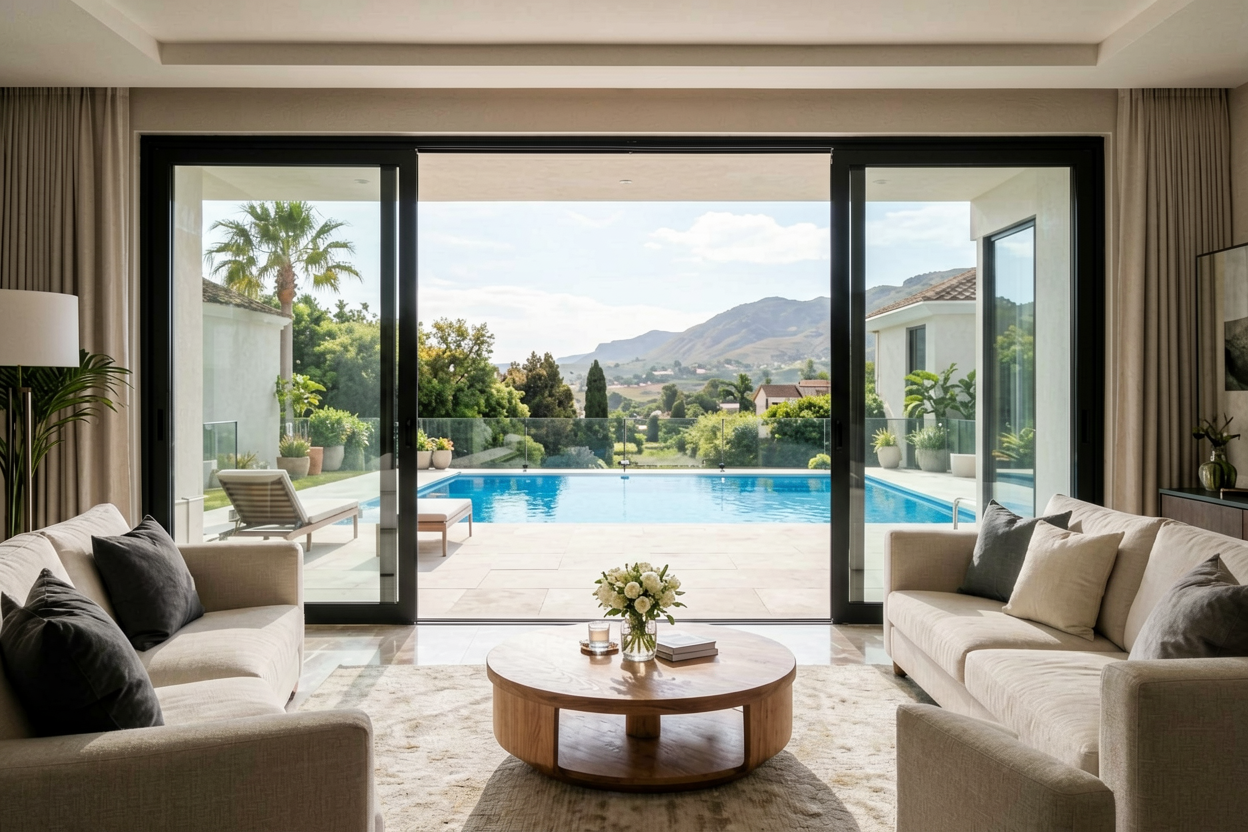
Sliding door performance depends on panel size, track design, threshold detailing, hardware quality and glazing weight working together as one system.
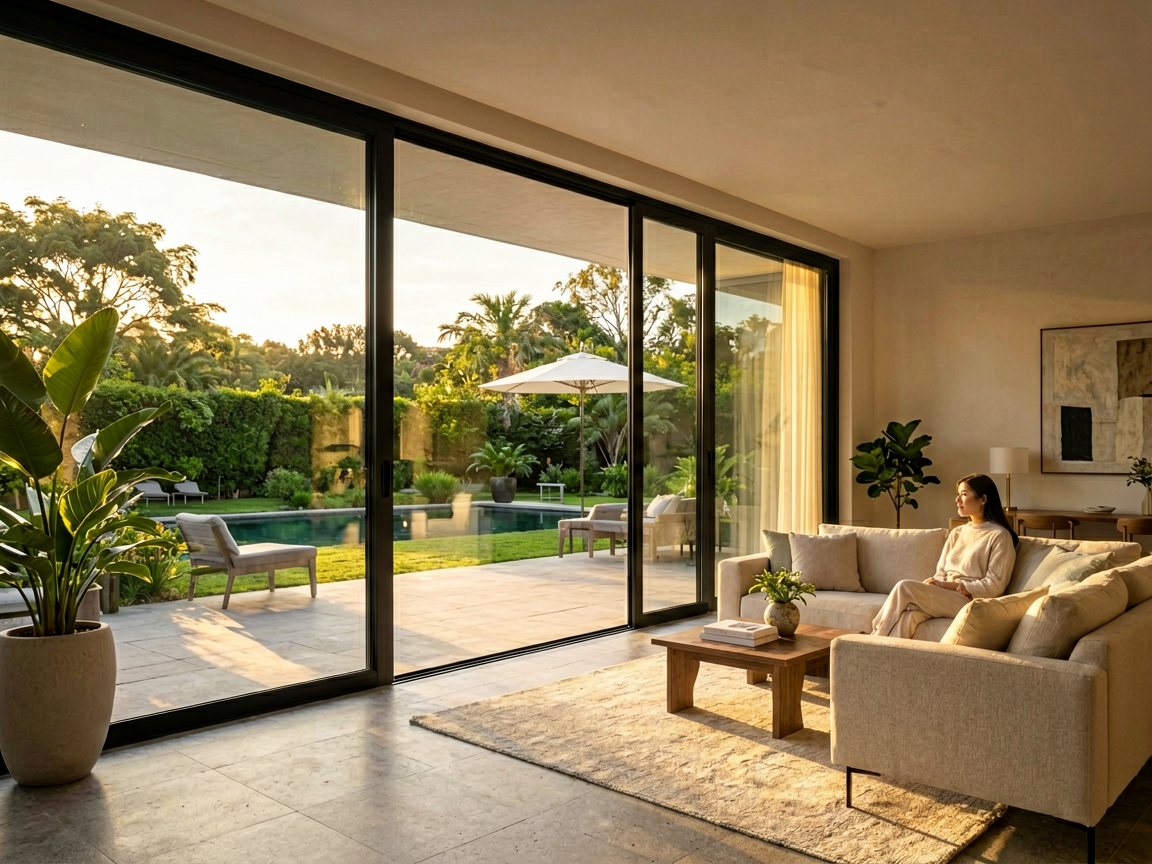
On premium residential and resort projects, sliding doors are often expected to deliver wide views, smooth movement and strong weather protection at the same time. That combination requires more than choosing a style photo from a catalog.
Define the Opening Experience Early
The first design question is not the frame series. It is how the opening should feel in daily use. Designers should define whether the priority is maximum glass, easy family operation, wide clear opening or stronger weather separation.
These priorities influence panel arrangement, meeting stile strategy and threshold expectations.
- Confirm whether the opening needs two-track, three-track or pocketing logic.
- Identify the direction of primary use from living room, terrace or hospitality suite.
- Review how furniture and landscape affect the best stacking position.
Balance Large Panels with Operability
Large sliding panels look impressive, but they also increase hardware load and user expectations. Panel size should be coordinated with daily operation, safety and maintenance practicality.
On resort projects and villas with frequent guest use, smooth and predictable operation usually matters as much as pure maximum dimensions.
- Review panel width and glass weight together before final approval.
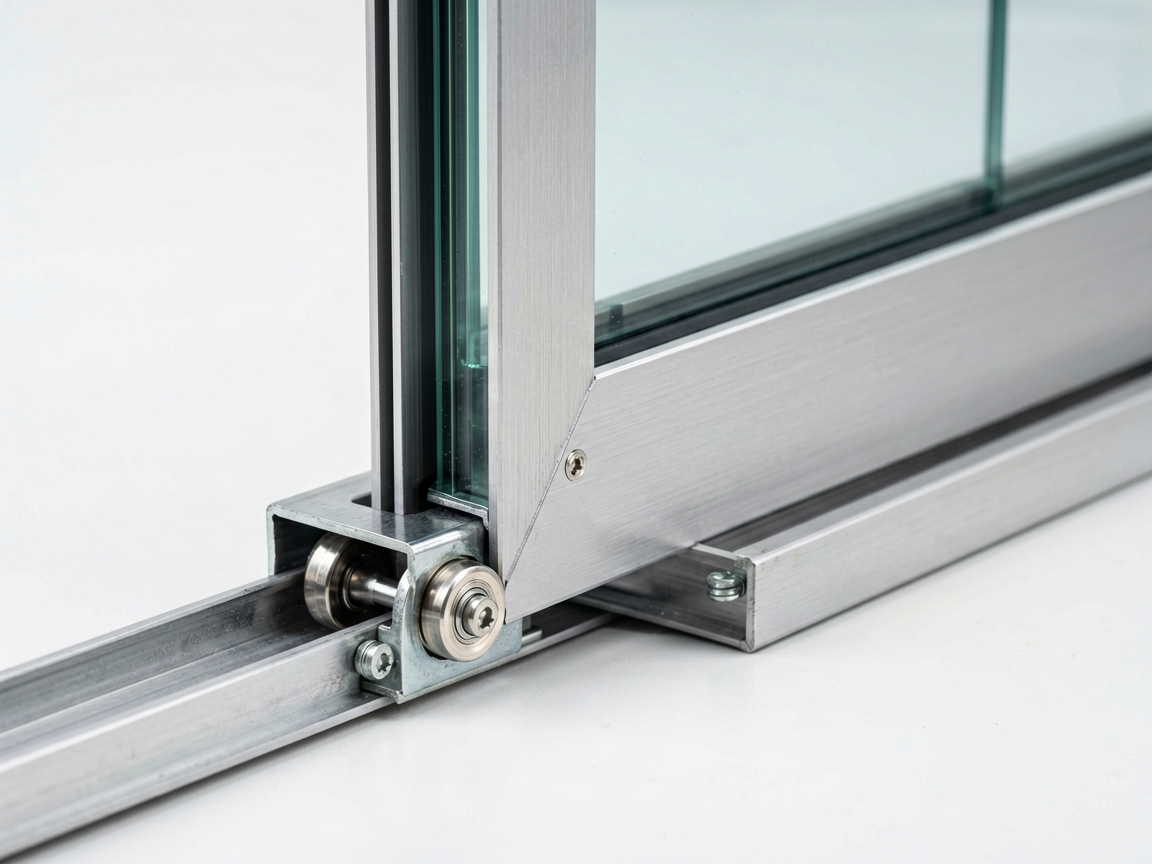
- Match roller and lock strategy to expected use intensity.
- Confirm how drainage and threshold design behave during heavy weather exposure.
Coordinate Thresholds with Interior and Exterior Finishes
Sliding door thresholds affect aesthetics, drainage, accessibility and floor build-up. Flush transitions are attractive, but they require careful coordination with waterproofing and site tolerances.
The threshold detail should never be separated from slab edge, stone finish and landscape interface decisions.
- Review interior floor build-up and exterior drainage slope together.
- Clarify whether the threshold priority is visual minimalism or maximum water management.
- Check cleaning access for tracks in sandy or landscaped environments.
Link the Door to the Full Facade Composition
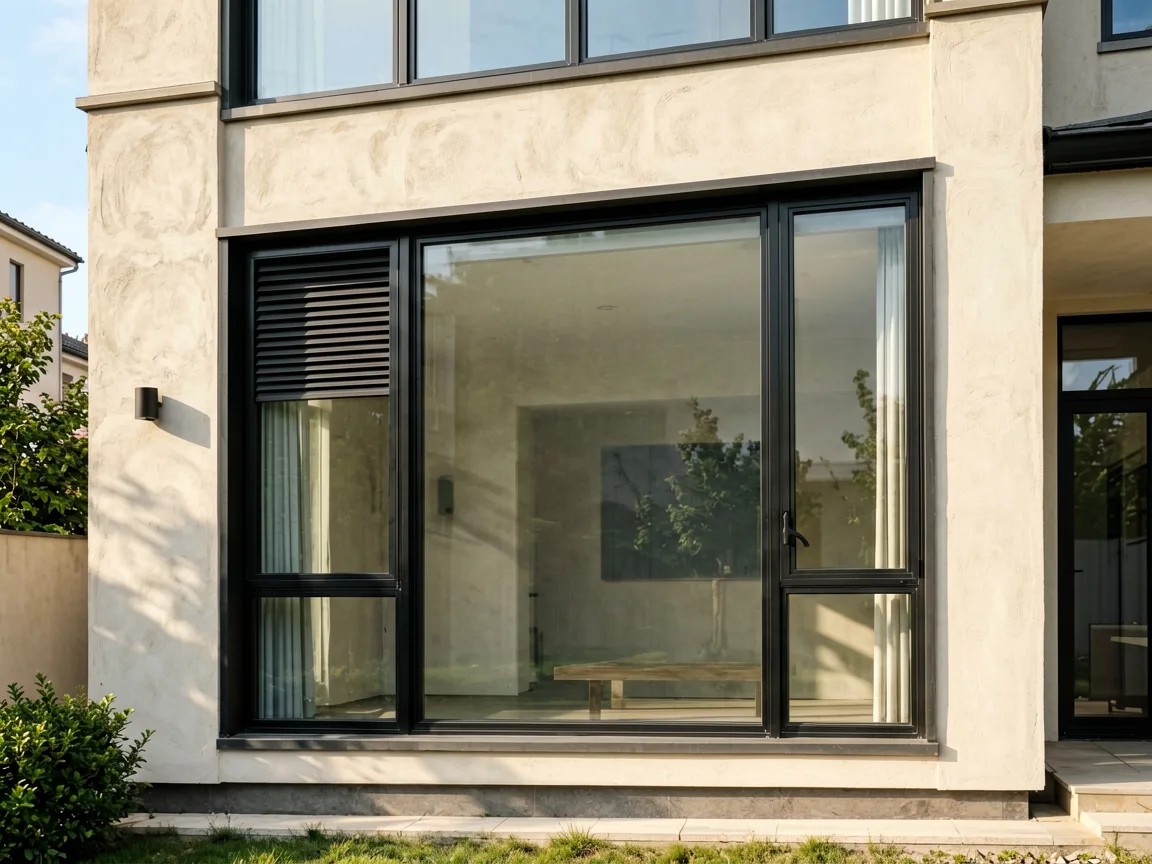
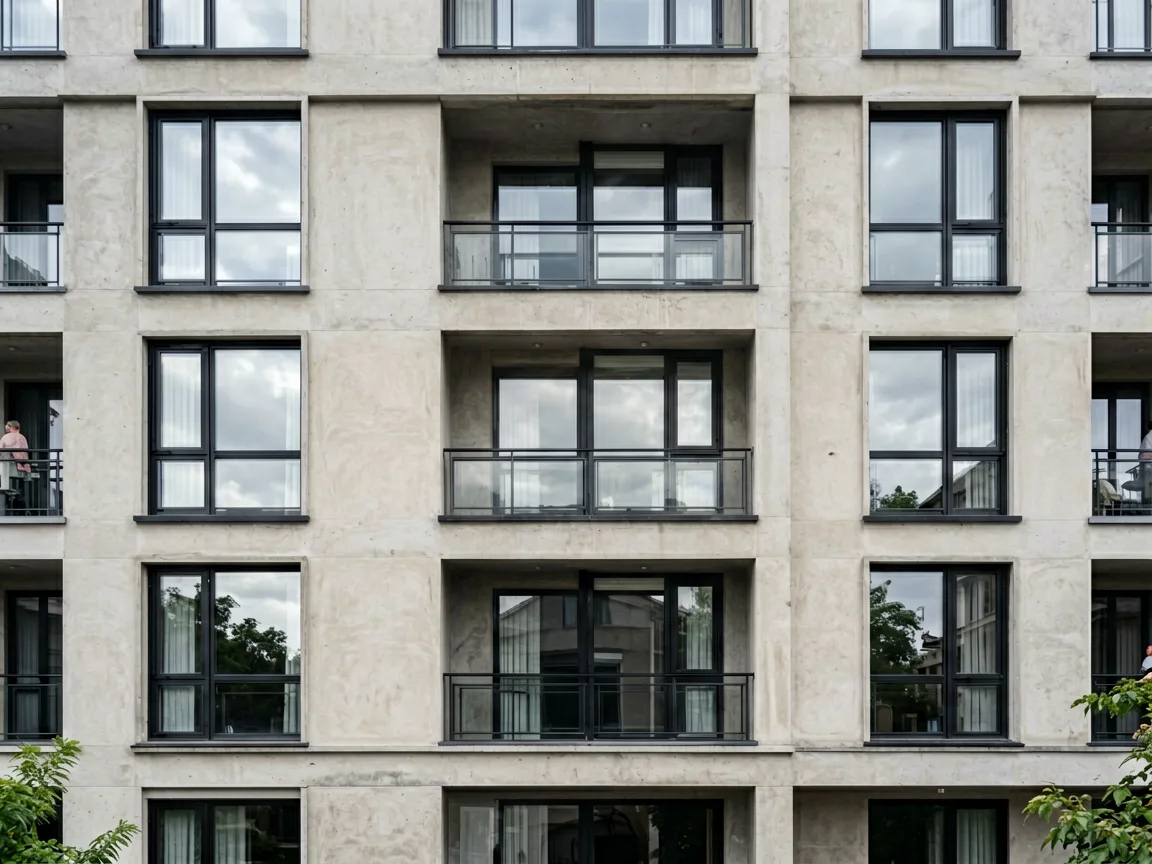
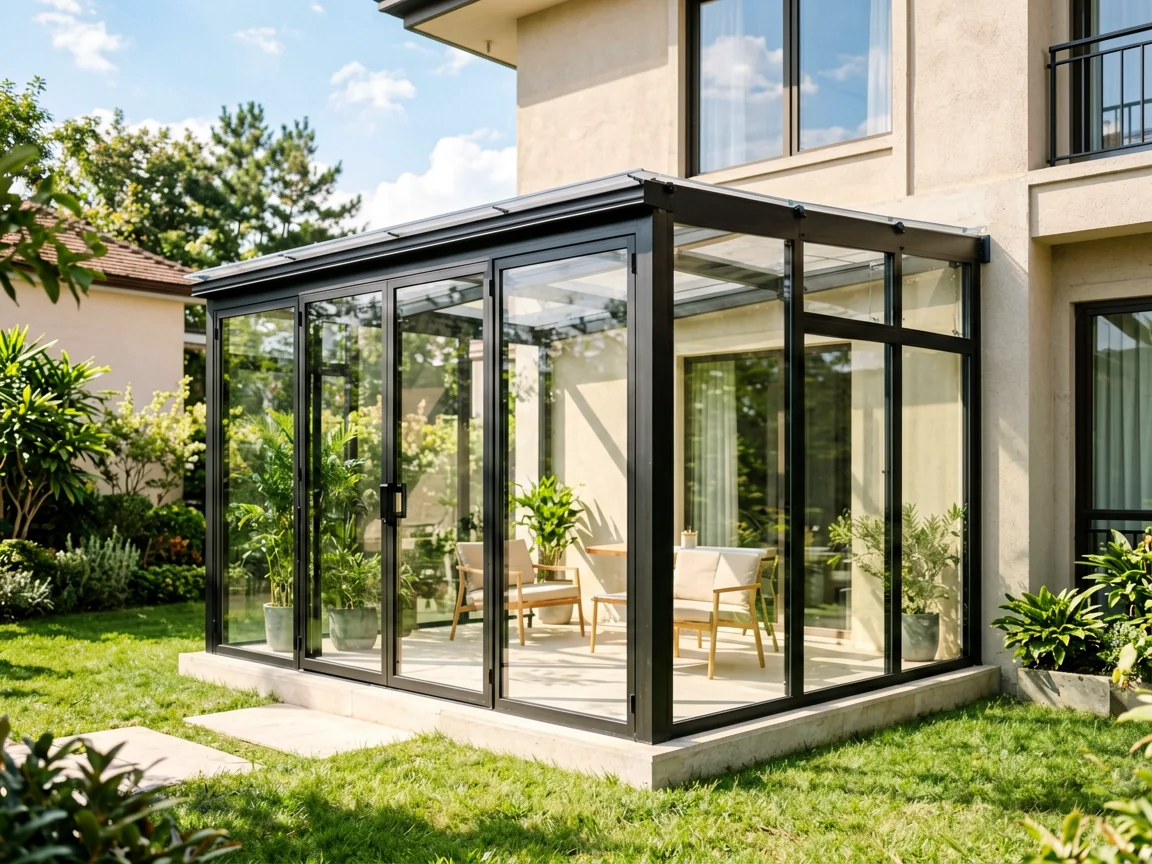
Large sliding doors often sit beside fixed glazing, corner windows or sunroom-style connections. Their mullion rhythm and frame depth should support the whole elevation rather than act as isolated products.
This is especially important in villas where premium value often comes from facade consistency and visual calm.
- Review sightline consistency between sliding doors and nearby windows.
- Coordinate frame color and handle finish with the rest of the envelope.
- Use elevation studies to confirm the opening remains elegant when partially open.
Recommended Next Step
Before requesting a sliding door proposal, define clear opening width, clear height, desired stack position and whether flush interior-exterior transition is required.
Frequently Asked Questions
Are larger sliding panels always better for luxury projects?
Not always. Panel size should be balanced with operability, hardware load and service practicality.
Can flush thresholds be used everywhere?
They require careful drainage and finish coordination, so they should be reviewed case by case.
What information helps a supplier quote sliding doors accurately?
Opening size, panel arrangement intent, finish, glass preference and installation condition are all important.