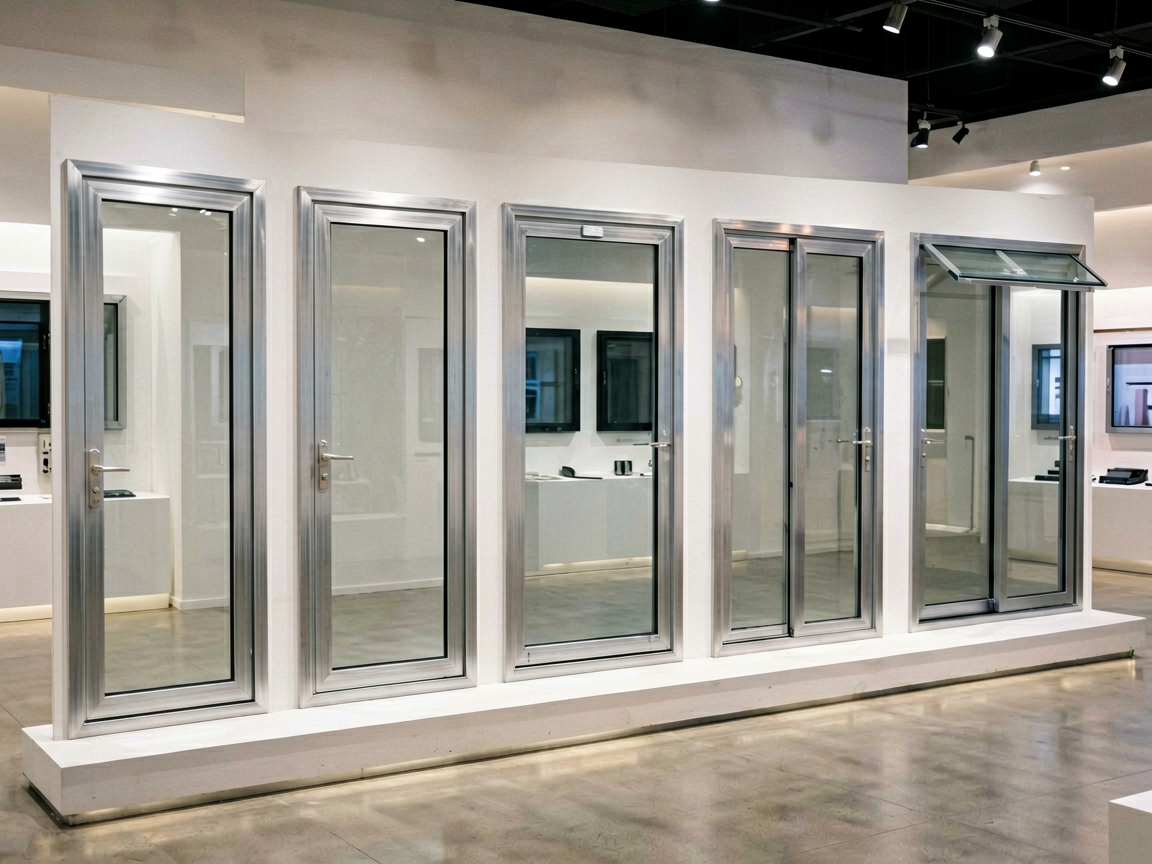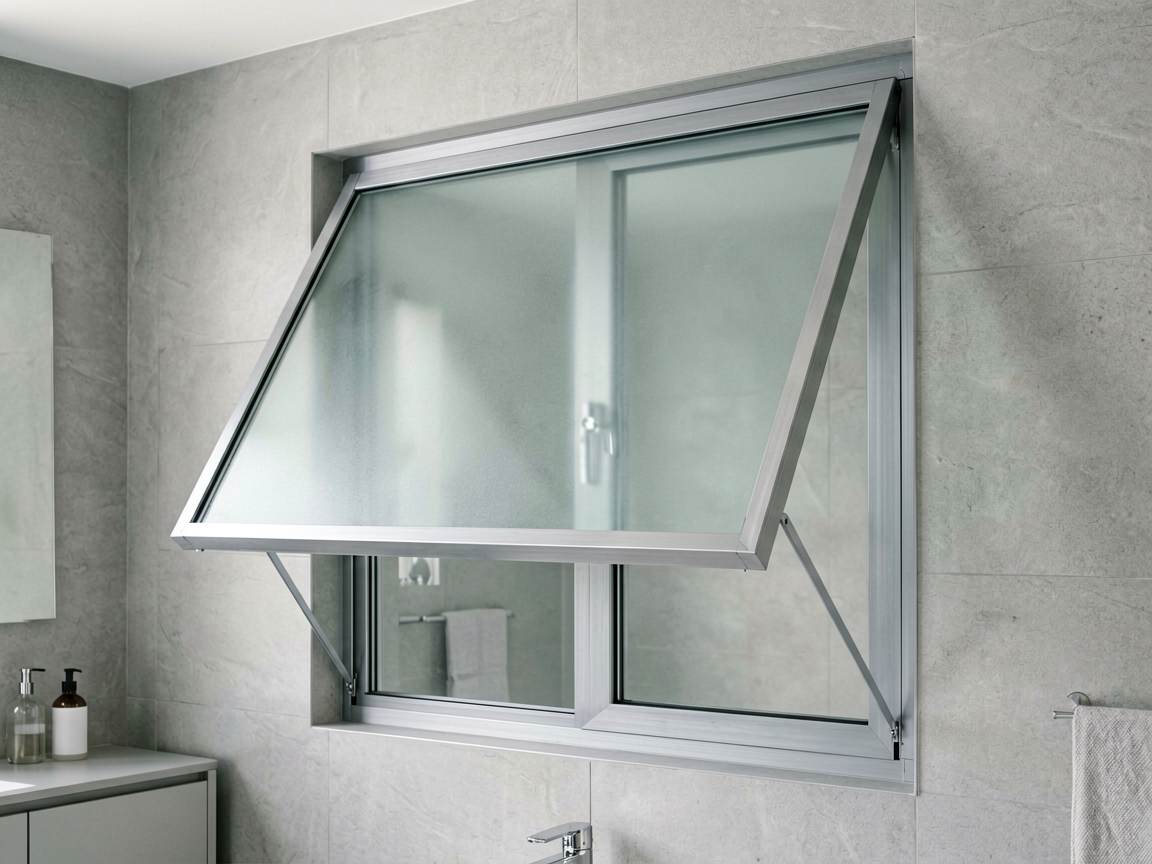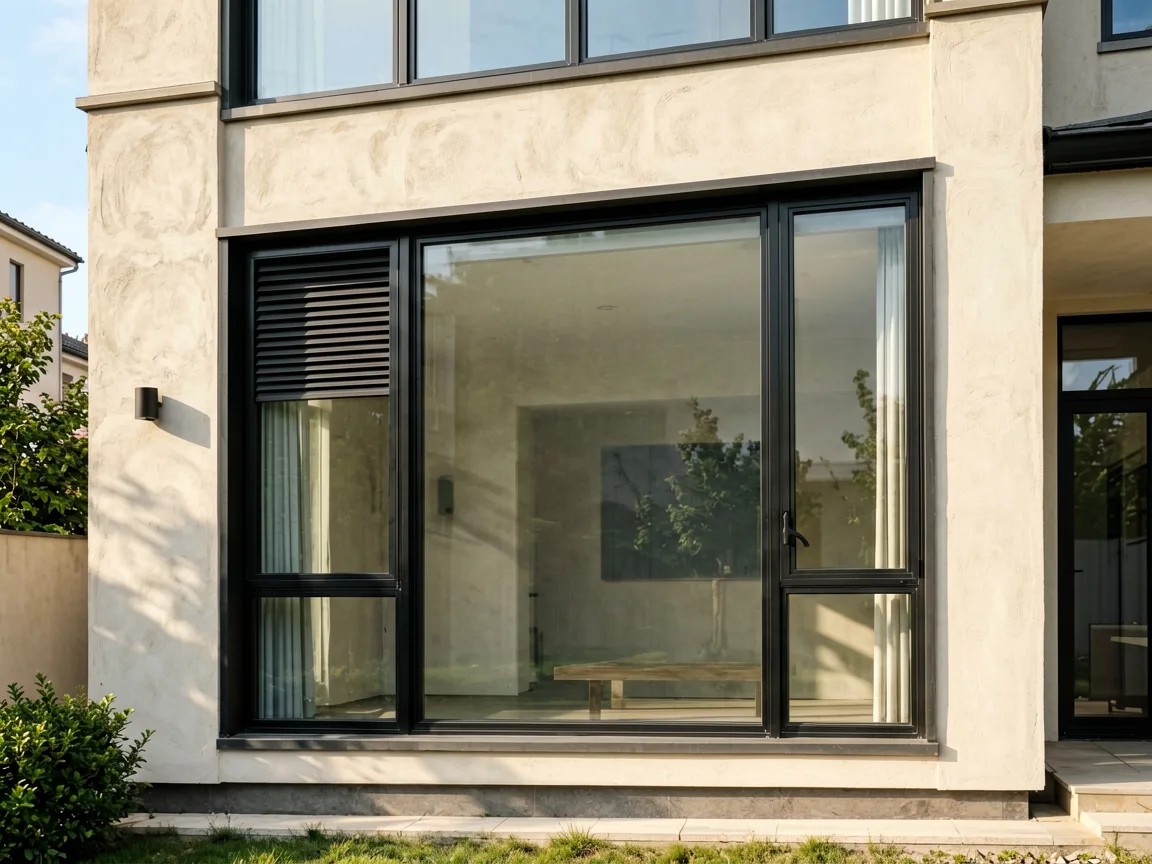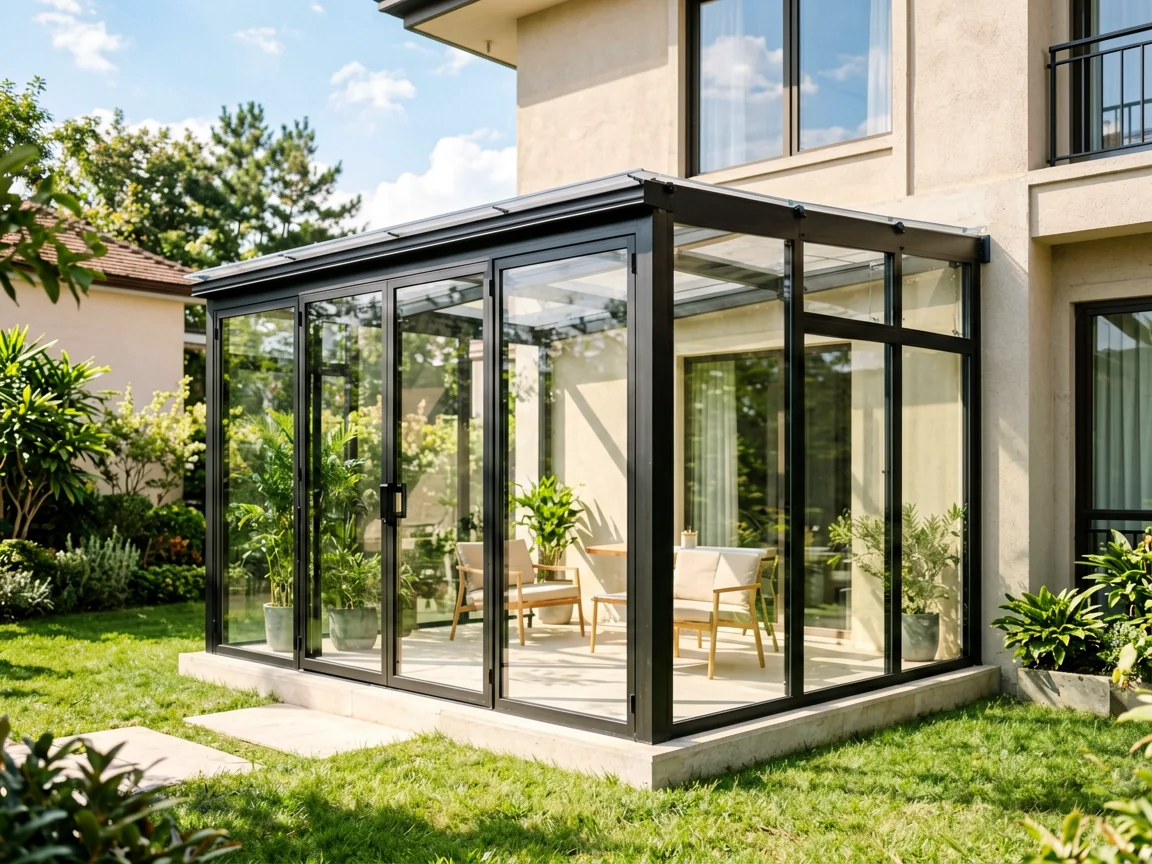
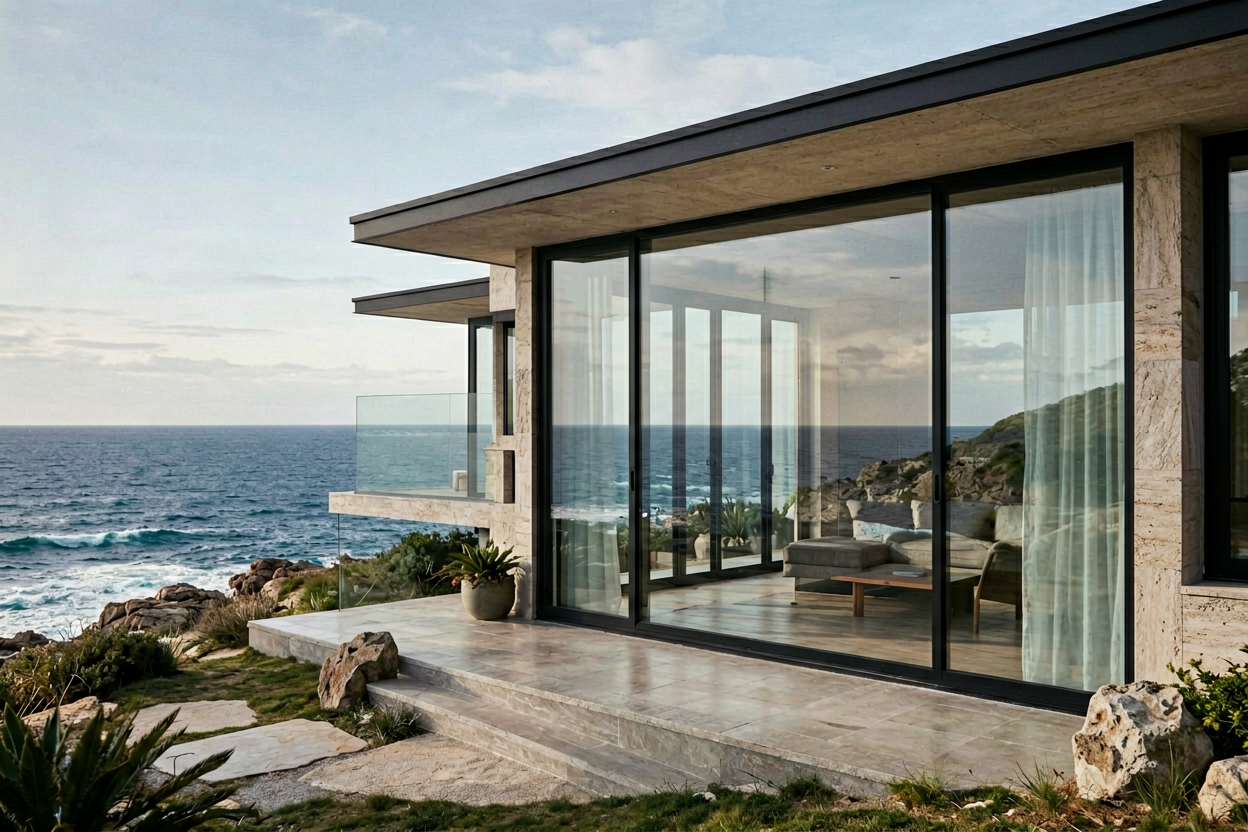
Coastal window specification should balance corrosion resistance, air and water sealing, glazing performance, hardware durability and service access from the beginning of the project.
For villas, resorts and beachfront residences, the best window package is usually decided before procurement starts. Early coordination between architect, developer, installer and manufacturer reduces redesign, leakage risk and finish failures after the building is occupied.
Start with the Exposure Conditions
Coastal projects should be reviewed by facade orientation, prevailing wind, distance from shoreline and the likelihood of direct salt spray. Not every elevation needs the same configuration, and the most exposed sides often deserve the strictest review.
When the specification treats every facade the same, teams often overspend in protected zones and underspecify the edges that receive the heaviest weather load.
- Map the most exposed elevations before window series selection.
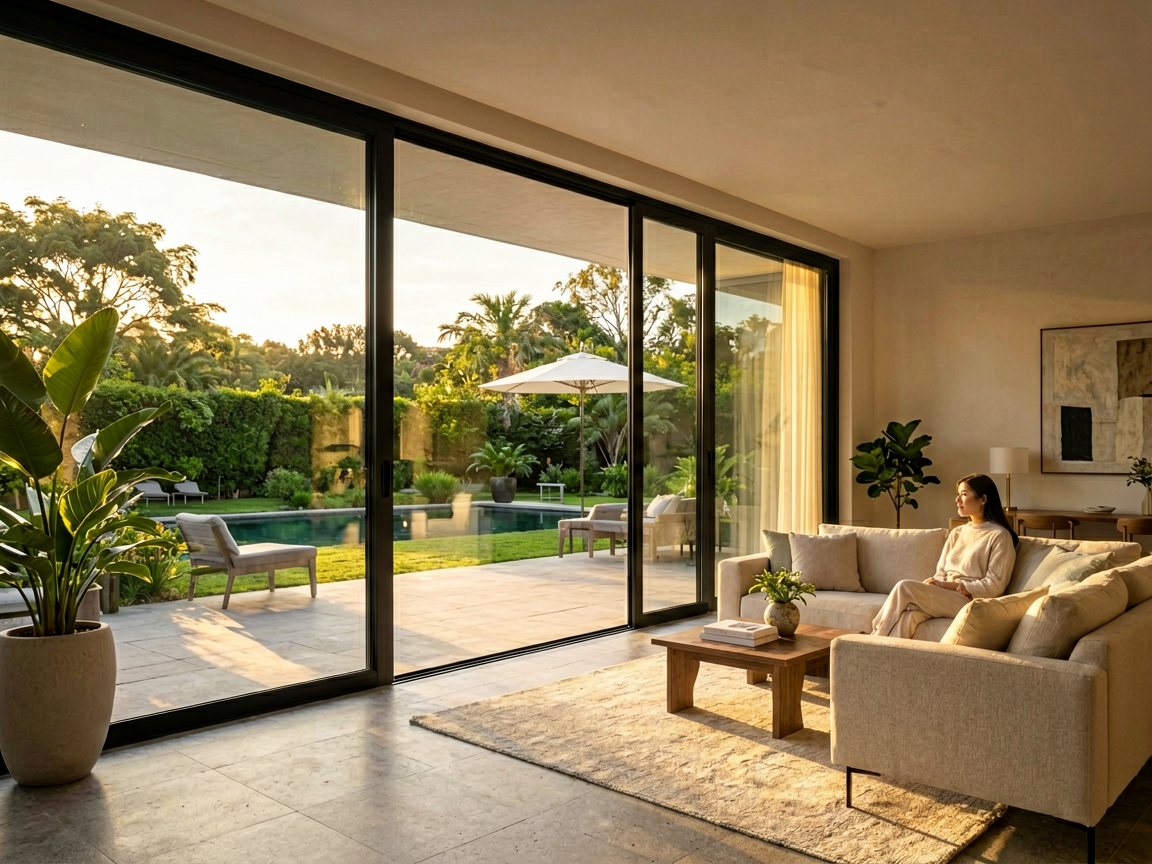
- Identify large corner openings, sliding door pockets and panoramic glass areas early.
- Confirm whether balconies, overhangs or shading elements reduce weather exposure.
Choose a Finish and Hardware Strategy Built for Salt Air
Aluminum is a strong material for coastal work, but finish quality and hardware specification matter just as much as the frame itself. Surface finish, accessory quality and maintenance access should be specified together.
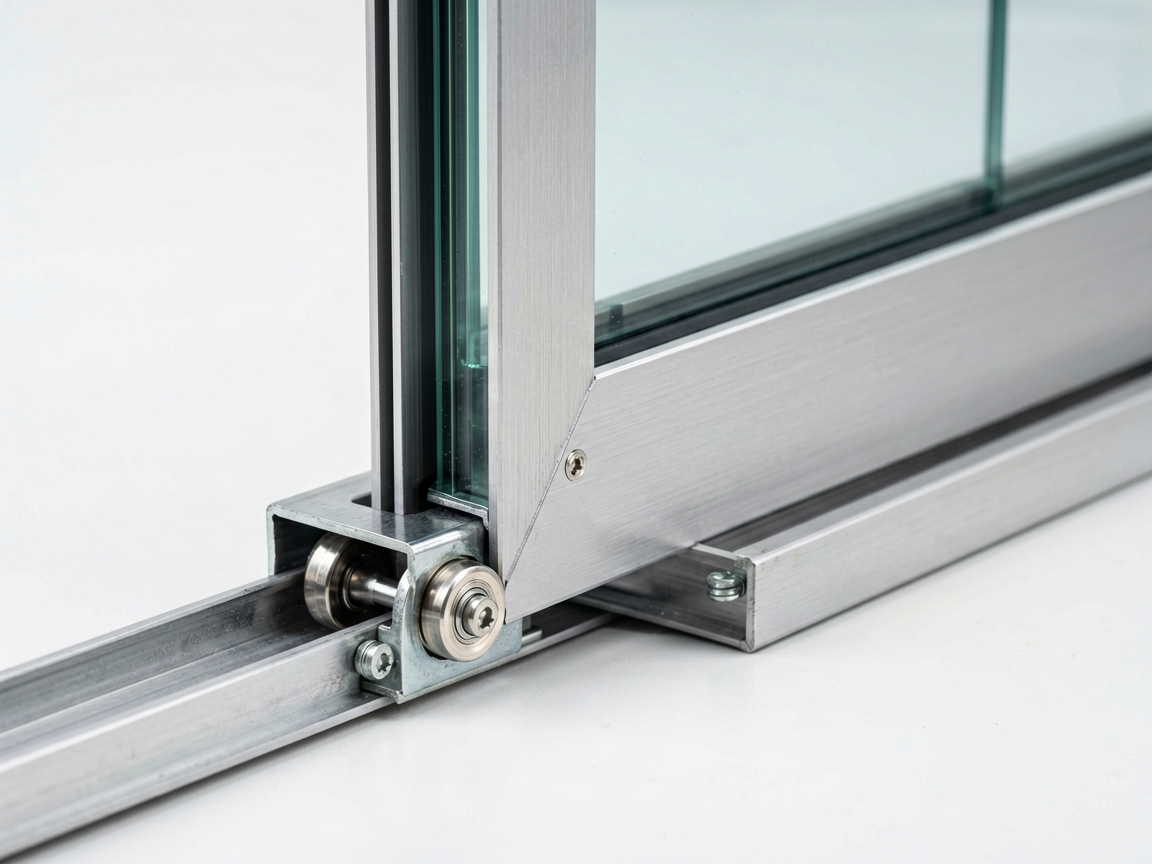
Handles, hinges, rollers and fasteners should be evaluated for the expected use intensity and environmental exposure, especially on large openings and frequently used terrace doors.
- Request finish samples and confirm project approval standards before production.
- Match hardware level to panel size, daily use frequency and installation position.
- Ask how exposed drainage covers, screws and accessory parts are protected.
Review Glazing and Sealing as One System
Coastal comfort is influenced by more than visible frame design. Glass build-up, spacer choice, seals and frame-to-wall interface all affect how the opening behaves in wind, heat and rain.
For premium residential work, the specification should clearly define glass intent, including solar control priorities, privacy needs and acoustic expectations for sleeping rooms facing busy roads or surf noise.
- Coordinate glazing thickness with the selected frame series.
- Define where solar control is more important than maximum visible light.
- Use consistent seal and drainage review for windows and doors on the same facade.
Plan for Service and Maintenance Access
Good coastal specification includes a maintenance plan. Window cleaning, gasket inspection and hardware replacement become much easier when these issues are considered during design rather than after handover.
This is especially important for tall fixed-lite combinations, oversized sliding doors and difficult-to-reach facades in custom homes and hospitality projects.
- Confirm who will be responsible for service access after occupancy.
- Keep product codes, approved drawings and hardware records for future maintenance.
- Align the maintenance note with the owner handover package.
Recommended Next Step
Before sending drawings for quotation, mark project location, facade orientation, opening size range, preferred finish and any site exposure concerns so the manufacturer can recommend a more suitable system direction.
Frequently Asked Questions
Are coastal projects mainly about stronger glass?
No. Coastal performance depends on the full opening system, including finish, seals, hardware, glazing and installation detailing.
Should every facade use the same window specification?
Usually not. Exposure conditions can vary a lot from one elevation to another.
When should coastal requirements be discussed with the supplier?
As early as schematic design or facade planning, before final quantities and opening types are locked.