A reliable procurement timeline starts with information quality, not just calendar targets. Late approvals and incomplete drawings create more delay than production itself.
Custom window and door packages move through design review, quotation, engineering, approval, production, packing and shipping. When teams treat those steps as one procurement event instead of a chain of decisions, lead times quickly become unrealistic.
Lock the Information Package Before Pricing
The fastest quotation cycles usually happen when the supplier receives a clear package: opening schedules, elevations, glass intent, finish expectations and destination information. Vague early requests may produce quick prices, but they rarely produce stable decisions.
If the project is still evolving, define what is fixed and what is provisional so procurement can proceed without hiding uncertainty.
- Send elevations, schedules and quantity logic together whenever possible.
- Separate confirmed dimensions from still-changing concept areas.
- Identify whether the quotation is for budgeting, tender comparison or order release.
Protect Time for Shop Drawing Review
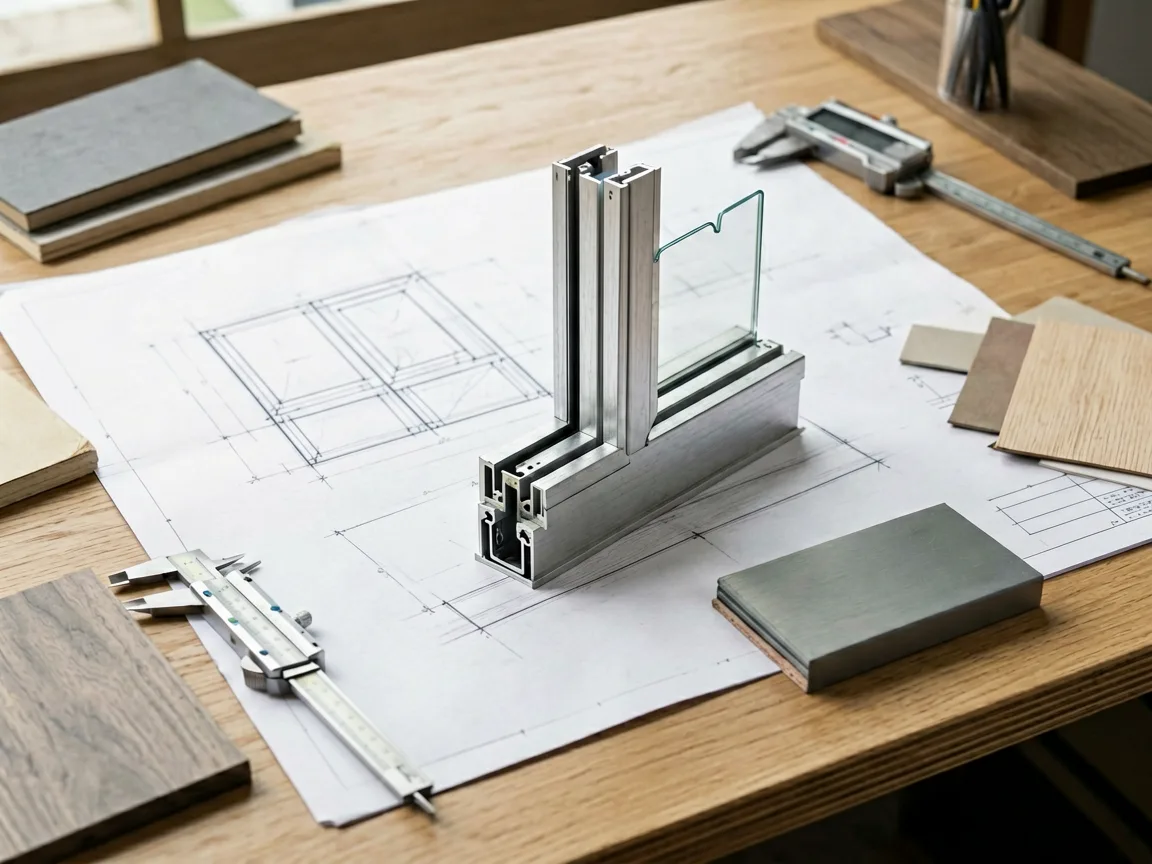
Custom packages often fail schedule targets because drawing review is underestimated. Design teams need time to confirm opening logic, panel splits, glazing, hardware and installation interfaces before production starts.
Compressed review windows tend to move uncertainty downstream, where changes become more expensive and slower to resolve.
- Allocate review time for architect, contractor and owner approvals.
- Track comment rounds and freeze dates for each facade zone.
- Do not release production on unresolved finish or hardware questions.
Sequence Production and Shipping by Site Priority
Not every elevation has to move at the same speed. High-priority zones, mock-up packages and show units may need different release dates from the bulk of the project.
This sequencing approach supports tighter site planning and reduces storage pressure when installation areas are not ready at the same time.
- Identify mock-up, show unit and critical facade zones separately.
- Coordinate packaging labels with site receiving logic.
- Align production release with realistic installation readiness, not just ideal construction dates.
Build a Buffer for Decisions, Not Just Transit
Teams often buffer ocean freight or inland transport but forget to buffer human decisions. Finish approval, revised opening lists, hardware changes and payment release can all move the critical path.
A procurement plan becomes more reliable when the decision timeline is treated as a formal schedule item.
- Set internal deadlines for design sign-off earlier than the supplier needs them.
- Monitor change requests after approval to protect manufacturing stability.
- Keep a live issue log through production and delivery.
Recommended Next Step
Before placing an order, create a responsibility matrix for drawings, approvals, finish confirmation, hardware sign-off and delivery release so the schedule has clear owners.
Frequently Asked Questions
What delays custom window orders most often?
Incomplete drawings, late approvals and repeated scope changes are common schedule risks.
Should mock-up packages be planned separately?
Yes. Mock-up and show unit zones often need earlier engineering and delivery.
When is the best time to involve the supplier?
As soon as facade logic and preliminary opening intent are clear enough for meaningful review.