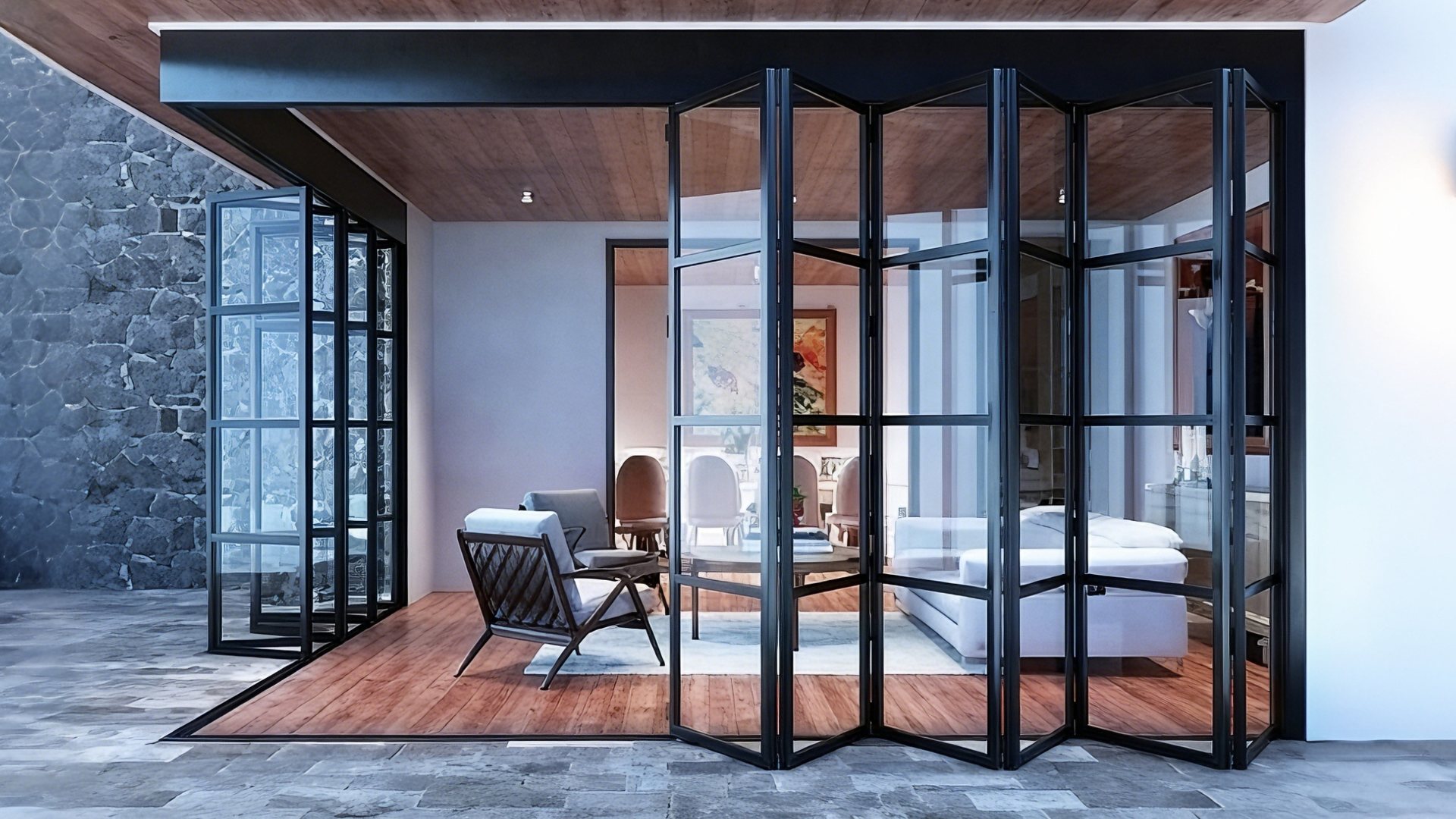
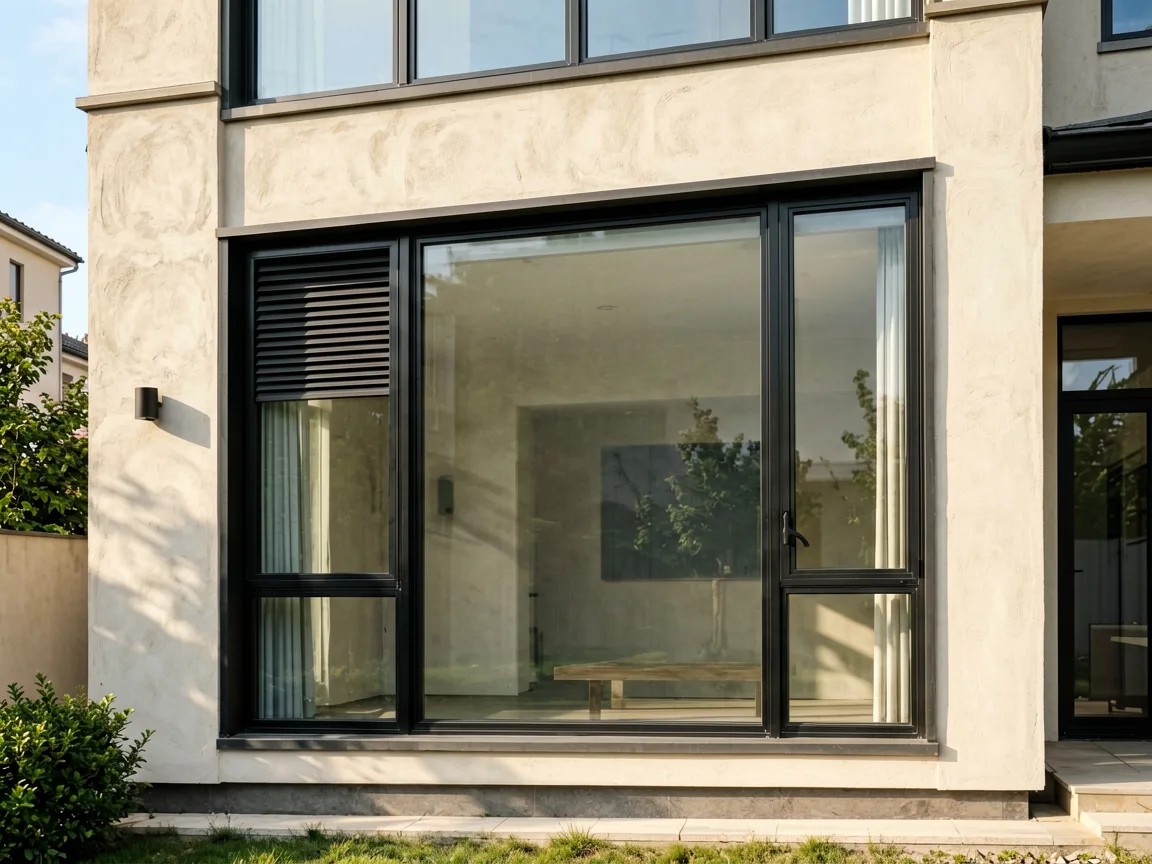
Selecting aluminum windows for a residential project involves more than choosing a frame color or opening style. Window size, glass, profile structure, ventilation, architectural appearance, installation conditions and local project requirements should be reviewed together.
Whether the project is a private villa, apartment building or residential development, providing complete project information at an early stage helps the manufacturer recommend a more suitable system and prepare clearer drawings and quotations.
The most suitable window is not determined by one feature alone. The frame, glass, sealing, drainage, hardware, dimensions and installation should be considered as one complete system.
1. Start with the Project Requirements
Before comparing individual window products, begin with the building and project requirements.
Important information includes:
- Building type
- Project location
- Architectural style
- Window opening dimensions
- Number of windows
- Required opening methods
- Glass preferences
- Frame colors
- Installation conditions
- Target delivery schedule
A villa may require large windows, panoramic views and customized facade proportions, while an apartment project may focus more on repeatable configurations, production consistency and installation coordination.
Project Information Checklist
- Architectural floor plans
- Building elevations
- Window and door schedule
- Opening dimensions
- Quantity list
- Reference images
- Required glass and frame color
- Destination and timeline
2. Choose the Right Opening Style
Different opening styles serve different architectural and functional requirements. The most common residential window types include:
Casement Windows
Casement windows use hinged sashes and can be configured for inward or outward opening. They are commonly considered for bedrooms, living areas, villas and residential facades requiring flexible ventilation and combined window arrangements.
Sliding Windows
Sliding windows move horizontally along tracks and do not require additional interior or exterior swing space. They are often used for apartments, balconies, kitchens and compact residential spaces.
Awning & Hopper Windows
Awning and hopper windows use top-hinged or bottom-hinged opening arrangements. They can be used individually or combined with larger fixed or casement window sections.
Lift and Customized Windows
Vertical lift, panoramic and other customized window configurations may be considered for distinctive architectural openings and project-specific design requirements.
Quick Comparison of Common Window Opening Styles
| Opening Style | Operation | Space Requirement | Common Applications | Customization |
|---|---|---|---|---|
| Casement Window | Hinged opening | Requires sash opening space | Villas, bedrooms, living spaces | Multiple combinations available |
| Sliding Window | Horizontal sliding | No swing space required | Apartments, balconies, kitchens | Multiple panels and configurations |
| Awning Window | Top-hinged opening | Compact outward opening | Kitchens, bathrooms, combined windows | Can be combined with fixed sections |
| Lift Window | Vertical opening | Depends on system design | Custom residential and hospitality spaces | Project-based configuration |
Opening selection should also consider interior furniture, exterior space, ventilation, cleaning and local installation conditions.
3. Review the Aluminum Frame System
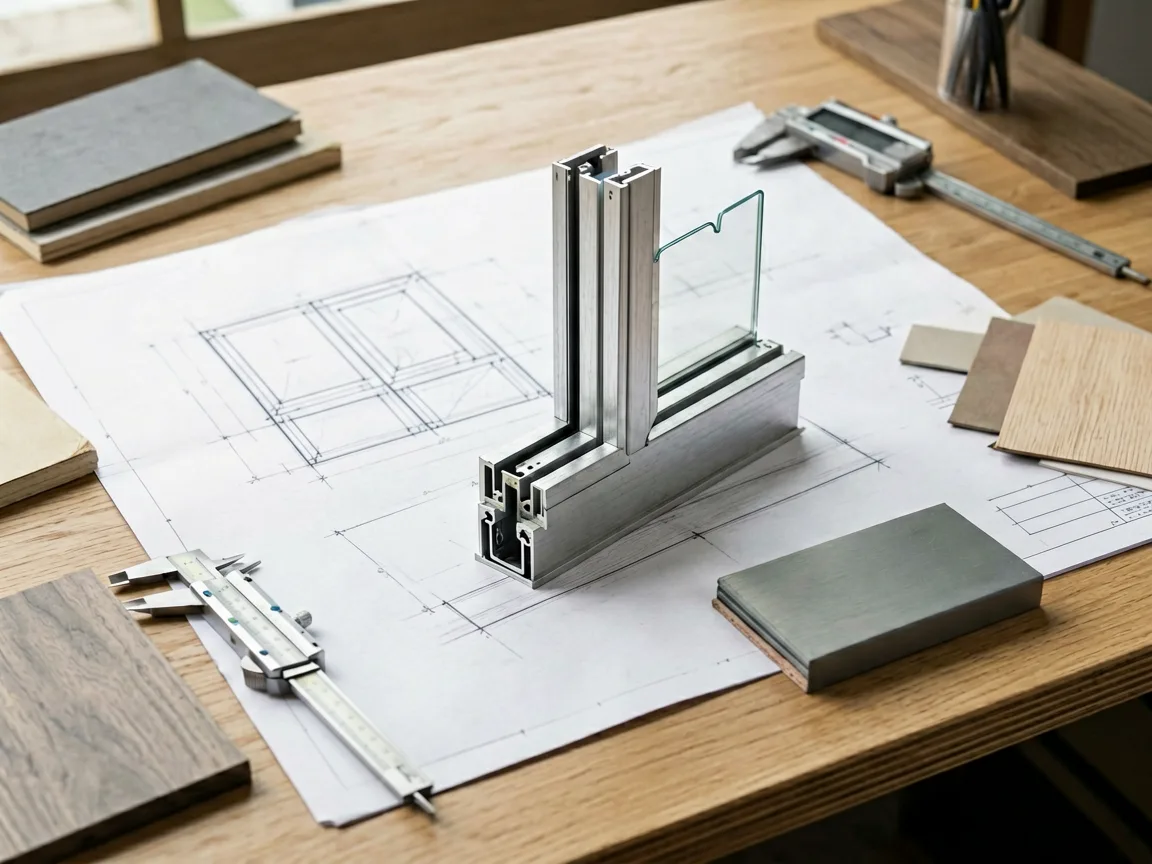
The aluminum frame system affects the window structure, appearance, glass compatibility, sealing arrangement and overall project configuration.
For residential projects, thermal-break aluminum systems are commonly considered when improved thermal separation is required between the interior and exterior aluminum sections.
A thermal-break system uses an insulating section between interior and exterior aluminum components. The final performance depends on the complete profile structure, glass configuration, sealing, dimensions and installation.
Do not select a system based only on the series name. Ask for verified profile drawings, glass compatibility and technical information for the specific product configuration.
BORN casement window systems are available in multiple series to support different project requirements:
- 60 Series
- 70 Series
- 110 Series
- 115 Series
- 125 Series
Explore Casement Window Systems
4. Select the Glass Configuration
Glass represents a large part of the total window area and should be selected together with the frame system.
Double Glazing
Two glass panes separated by an insulated space. It is commonly used in residential and commercial window configurations.
Triple Glazing
Three glass panes with insulated spaces. It may be considered when the project requires an additional insulated glass configuration.
Low-E Glass
Low-emissivity glass may be selected according to solar control, thermal and architectural requirements.
Tempered Glass
Tempered glass may be considered according to window size, location, safety requirements and applicable project standards.
Laminated Glass
Laminated glass may be considered for specific safety, acoustic or architectural requirements, subject to project confirmation.
Final glass selection should consider:
- Building orientation
- Window size
- Climate conditions
- Natural light
- Solar control
- Safety requirements
- Local building standards
- Frame compatibility
Read More: Double Glazing vs. Triple Glazing
5. Consider Building Performance
Window performance should be evaluated as a complete system rather than as a single material or component.
Sound Insulation
Profile structure, glass, sealing, window dimensions and installation all influence the indoor acoustic environment.
Thermal Insulation
Thermal-break profiles and insulated glass can be configured according to project requirements.
Water Tightness
Frame structure, drainage paths, seals and installation interfaces should work together.
Air Tightness
The coordination between frame, sash, seals and hardware contributes to air tightness.
Wind Resistance
System selection should consider building height, window size, location and project requirements.
Energy Efficiency
The aluminum system, glass, window size, orientation and installation all contribute to overall building energy performance.
Verified test data should always correspond to the specific product series, dimensions, glass and configuration being supplied.
6. Confirm Dimensions and Window Combinations
Custom aluminum windows are usually manufactured according to approved project drawings and opening dimensions.
Common combinations include:
- Single casement window
- Double casement window
- Casement with fixed glass
- Casement with top light
- Casement with side panels
- Sliding window combinations
- Fixed and operable window combinations
- Arched or custom-shaped configurations
The suitable combination depends on architectural elevation, ventilation, window size, interior use and structural requirements.
Manufacturing dimensions should be confirmed using approved project drawings and verified site information. Do not rely only on approximate dimensions or reference images.
7. Choose Colors and Architectural Details
Frame colors and visual details should coordinate with the building facade, interior finishes and architectural style.
BORN commonly recommended colors:
When reviewing colors, request physical samples whenever possible. Screen display, lighting and surrounding materials can affect how a color appears.
Additional visual details to consider:
- Grid patterns and panel divisions
- Handle appearance
- Frame proportions
- Interior and exterior color coordination
- Surface finish direction
Color visualization is for reference only. Final color should be confirmed using approved samples.
8. Review Hardware and Screen Options
Handles, hinges, locks, rollers and screens should be selected according to window type, size, opening direction and application.
Factors to consider:
- Opening frequency
- Window dimensions
- Handle position
- Locking method
- Cleaning and maintenance
- Screen requirements
- Indoor safety
- Project appearance
Screen options may include stainless steel screen configurations, ventilation screens, insect screens and project-based screen solutions.
Hardware and screen details should be confirmed together with the approved window drawing.
9. Coordinate Installation Requirements
Even a well-manufactured window depends on correct opening preparation, installation, sealing and connection with the surrounding building structure.
Project information to confirm before installation:
- Opening condition
- Wall structure
- Installation position
- Fixing method
- Waterproofing interface
- Exterior drainage
- Interior finishing
- Access for lifting and installation
- Site storage
- Installation responsibility
Installation requirements vary by building structure and local standards. Final installation methods should be confirmed by qualified project professionals.
Read More: How to Prepare Window Openings Before Installation
10. Prepare Complete Information for Quotation
A complete quotation requires more than a general product name.
Required Project Information
- Project name or reference
- Building type and location
- Window drawings and schedule
- Dimensions and quantities
- Opening types and glass configuration
- Frame colors and hardware
- Packaging and delivery destination
- Project timeline
The more complete the project information, the easier it is to review system options, prepare drawings and reduce unnecessary quotation revisions.
Ready to Start Your Window Project?
Send your drawings and requirements for a customized quotation.
Send Your Project DrawingsFinal Checklist for Choosing Aluminum Windows
Before confirming aluminum windows, review:
- Building and application
- Window opening style
- Aluminum frame system
- Glass configuration
- Required performance
- Window dimensions and combinations
- Frame color
- Hardware and screens
- Installation conditions
- Packaging and delivery
- Verified technical documents
The right aluminum window solution should balance architectural design, practical operation, glass, frame structure, project conditions and manufacturing feasibility. Working from complete drawings and confirmed requirements helps create a clearer path from product selection to production and delivery.