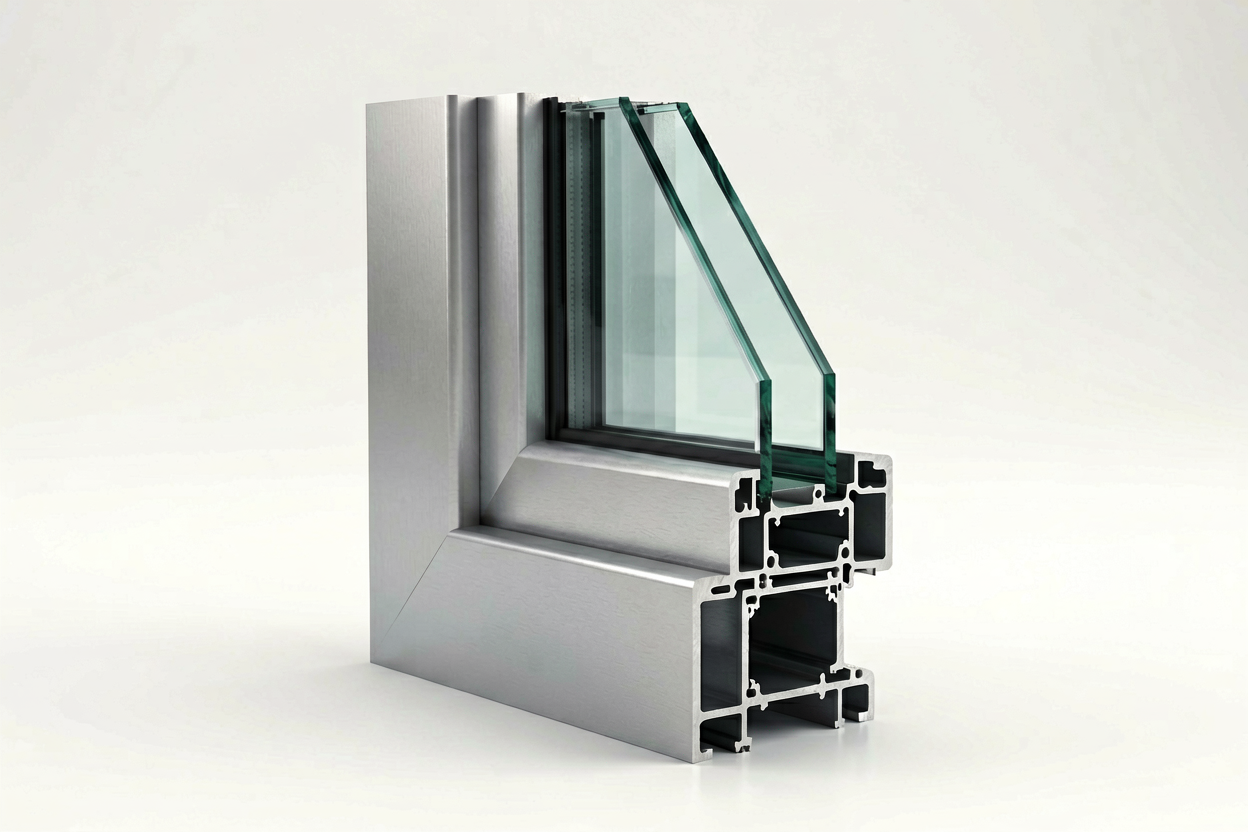
Thermal break design helps separate interior and exterior aluminum paths, but real project performance still depends on the full opening system and installation detail.
Thermal break is one of the most common terms in aluminum window and door discussions, yet it is also one of the most oversimplified. Teams need a practical understanding that supports specification decisions instead of marketing phrases alone.
What Thermal Break Means in Practical Terms
Thermal break design introduces an insulating separation between interior and exterior aluminum sections. In practice, this helps reduce direct heat transfer through the frame path compared with non-thermal alternatives.
That does not mean every thermal break profile performs the same. Geometry, glazing, seals and assembly details still matter.
- Review the full frame and sash build-up, not only the thermal break insert.
- Confirm which opening types use the same core system and which do not.
- Compare performance expectations by project climate and usage pattern.
Why the Same Series Name Is Not Enough
Projects often assume a familiar series label automatically guarantees the required result. In reality, size, configuration, glass and installation can all change how a system behaves.
Architects and developers should therefore ask for configuration-specific technical guidance instead of relying on generic product naming.
- Check whether the tested arrangement matches the proposed opening size.
- Review fixed, casement and sliding versions separately when needed.
- Confirm whether facade exposure or climate creates different priorities by elevation.
Use Thermal Break Review to Improve the Full Envelope
Thermal break specification becomes more valuable when it is aligned with daylight, shading, solar control glass and facade composition. It should support broader envelope performance goals rather than act as an isolated upgrade.
This wider view helps teams make better trade-offs between comfort, design and procurement cost.
- Coordinate frame choice with glazing strategy and facade orientation.
- Review condensation risk in vulnerable interior spaces and climates.
- Use system comparison workshops before final tender or supplier award.
Ask Better Questions During Supplier Review
The best supplier meetings focus on the real project: opening size, exposure, climate, glass intent and interface conditions. Better questions create better recommendations.
This approach is especially helpful on mixed-use, villa and hospitality projects where premium comfort is part of the brand promise.
- Ask which configuration the supplier recommends for the actual project, not the generic brochure page.
- Request clarity on glazing limits, hardware compatibility and service access.
- Keep technical review records for later procurement and construction stages.
Recommended Next Step
When comparing systems, review thermal break design together with glazing, seals, frame depth and tested configuration data for the exact opening type under discussion.
Frequently Asked Questions
Does thermal break automatically guarantee high performance?
No. It helps, but overall performance still depends on the complete system and installation.
Can sliding and casement systems behave differently even within one family?
Yes. Opening type and configuration can affect the final behavior significantly.
When should thermal break comparison happen?
During early system selection, before glazing and facade assumptions are fully locked.